
Introduction: From “Backwards” to Benchmark
Not long ago, Jamnagar’s industrial ecosystem — known as the Brass City of India — was often seen as a low-cost, labor-driven cluster focused purely on output. But that image is changing fast.
Today, Jamnagar is emerging as one of India’s most sustainability-driven manufacturing hubs, guided by innovation, responsibility, and a clear-eyed vision of the future.
For years, the city’s commitment to sustainability was mostly associated with recycling brass chips. While that remains a core strength, what’s truly remarkable is how Jamnagar’s factories are reengineering their entire production ecosystem — from fossil fuel dependency to renewable energy and smart process automation.
1. The Energy Transition: From Coal to Clean Electricity
The first major leap toward greener production has been the shift from coal and oil-fired furnaces to electric induction systems.
Historically, local foundries relied on low-cost fuels to melt brass scrap and alloys. Though affordable, these methods were inefficient and highly polluting — emitting large amounts of CO₂, soot, and volatile compounds.
Now, more extrusion and casting facilities are using electric melting furnaces, which:
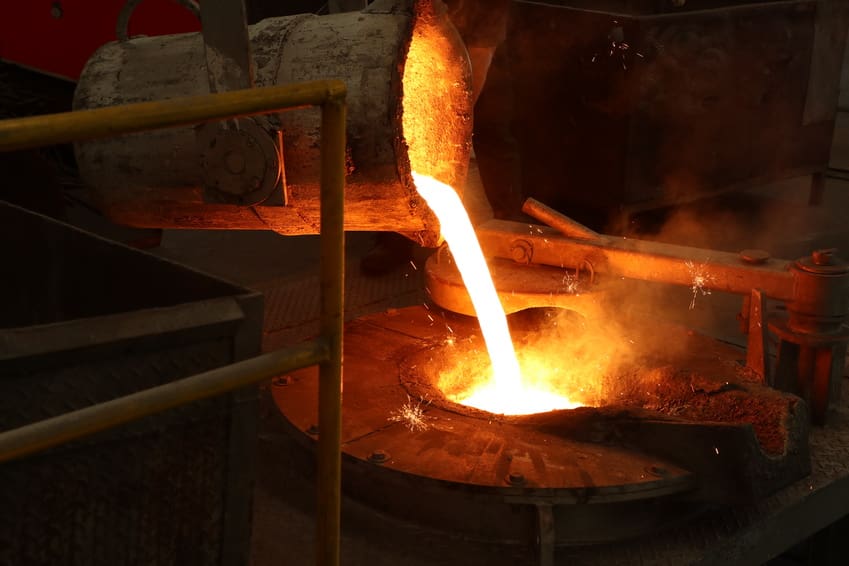
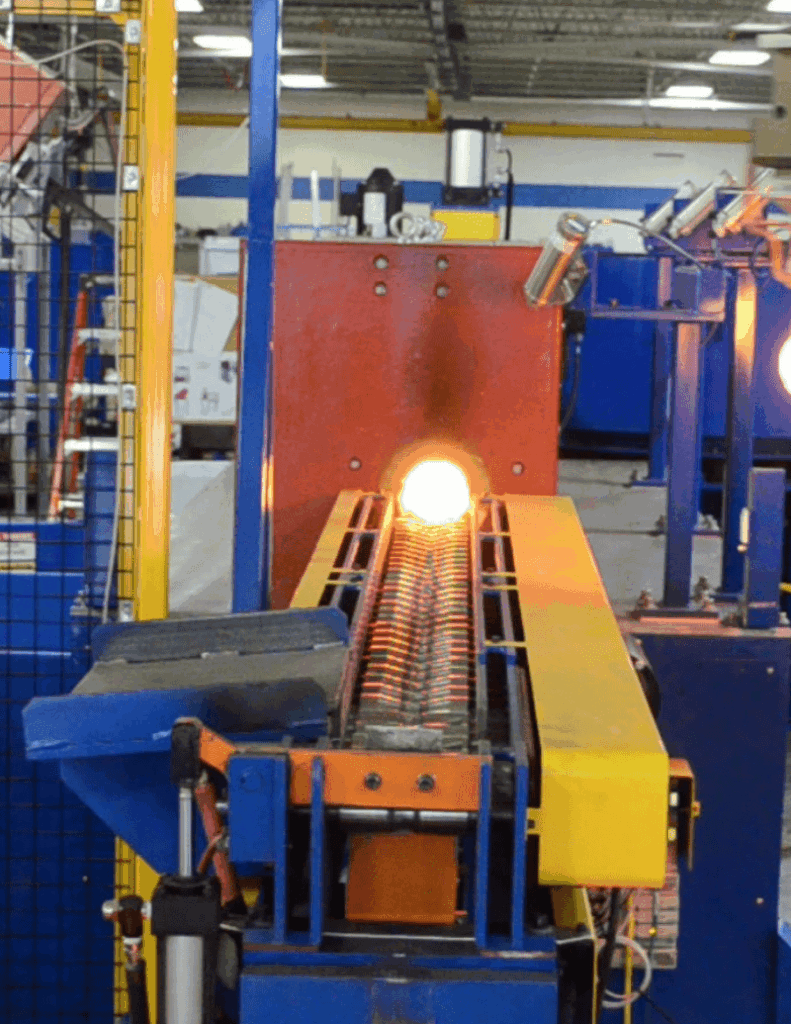
- Allow precise temperature control and consistent alloy composition
- Cut on-site emissions to nearly zero
- Improve the microstructural integrity and surface finish of components
This change supports both environmental goals and higher product quality — positioning Jamnagar’s manufacturers for stronger global competitiveness.
2. Solar-Powered Factories: The New Normal
Critics often argue that electricity in India still comes from coal. But Jamnagar’s forward-looking manufacturers have taken the next step — producing their own renewable power.
Across the city, solar panels now line rooftops and open yards, silently offsetting energy usage.
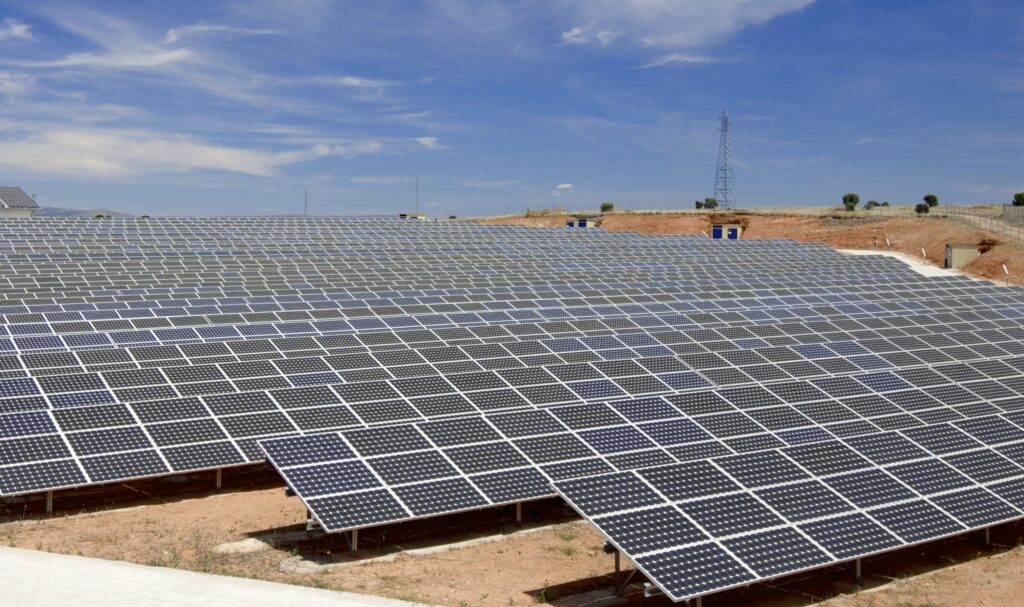
Some of the larger players have gone even further — setting up private solar farms on barren land to power their furnaces, compressors, and CNC machines.
This shift brings a dual benefit:
- Environmental: Lowering the carbon footprint per ton of brass produced.
- Economic: Reducing energy bills and ensuring long-term cost stability.
As one local entrepreneur put it, “We’re saving nature and saving costs — two wins in one bright idea.”
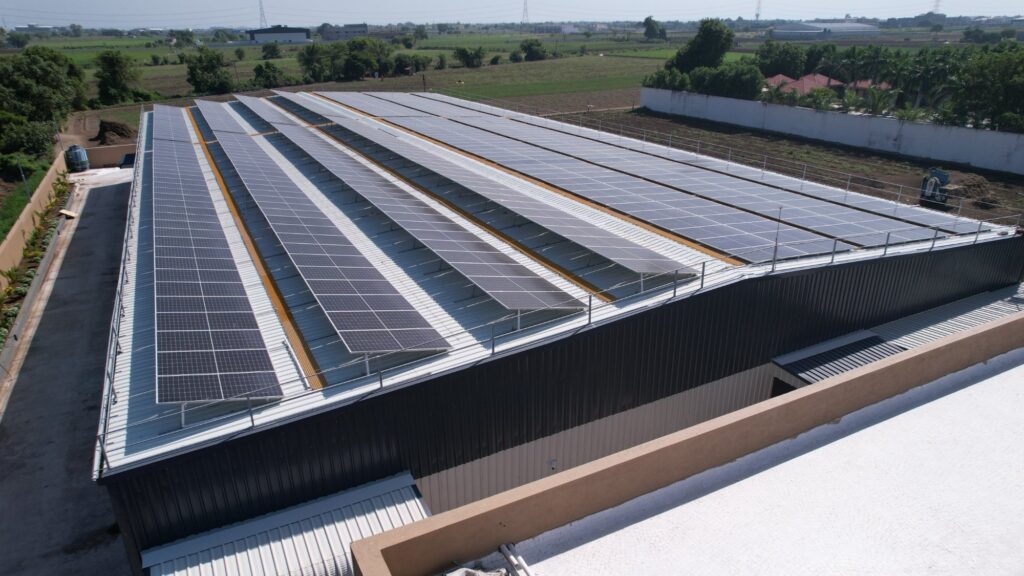
RoofTop Solar on Factories
3. Circular Economy 2.0: Beyond Recycling Chips
Jamnagar’s success story has always revolved around recycling, but modern sustainability in its brass sector now goes far beyond that.
Factories are implementing new circular economy principles through:
- Real-time alloy segregation to prevent material contamination
- Automated chip collection systems for efficiency and safety
- Closed-loop sand reclamation and water recycling systems in foundries
- Collaboration with specialized recyclers for safe waste handling
This comprehensive approach ensures that every gram of metal and every drop of water is used wisely — transforming Jamnagar into a model for responsible manufacturing in India.
4. Smart Factories and Data-Driven Sustainability
The next frontier for the region’s industries is digital sustainability — combining data, automation, and AI to boost efficiency.
Smart sensors, IoT systems, and energy meters now monitor everything from furnace loads to compressor health.
These insights help manufacturers:
- Predict maintenance needs to reduce downtime
- Track and optimize real-time energy consumption
- Streamline production with AI-based recommendations
When paired with solar energy, these systems create a feedback loop of continuous improvement, making Jamnagar’s brass sector leaner, cleaner, and more intelligent.
5. Sustainability as a Competitive Edge
What started as an environmental shift has now become a business strategy.
Global buyers — especially in the EU and North America — increasingly prefer suppliers who meet ESG (Environmental, Social, and Governance) standards. Manufacturers that can demonstrate responsible sourcing and traceable production gain a clear market edge.
By investing in renewable energy and smart automation early, Jamnagar’s factories are future-proofing themselves against:
- Carbon taxes and compliance costs
- Volatile energy prices
- Trade restrictions tied to sustainability metrics
In short, eco-conscious manufacturing has evolved into a powerful competitive advantage.
6. The Policy Push and “Make in India” Advantage
Government initiatives like Make in India and the Production Linked Incentive (PLI) scheme are accelerating this green momentum.
Jamnagar’s industrial network — already known for its precision engineering — now benefits from state subsidies on solar installation, energy audits, and green certifications.
Meanwhile, organizations like the Bureau of Indian Standards (BIS) and Ministry of MSME are pushing for quality enhancement and digitization, ensuring that sustainability becomes a core operational standard.
Together, these moves are transforming Jamnagar from a low-cost hub into a national benchmark for sustainable precision manufacturing.
7. The Road Ahead: Toward Carbon-Neutral Brass Production
The next goal is clear — carbon neutrality.
With solar and wind power adoption increasing, manufacturers are now looking to:
- Electrify logistics and internal transport systems
- Deploy battery storage solutions for power stability
- Adopt ISO 14001 environmental management frameworks
- Create industrial symbiosis networks to reuse waste heat and materials
If this transformation continues, Jamnagar could soon become one of Asia’s first mid-sized industrial clusters operating primarily on renewable energy — a global example of eco-smart metal manufacturing.
Conclusion: The Brass City’s Green Turn
Jamnagar’s transformation proves a larger truth: sustainability and profitability go hand in hand.
From small workshops installing rooftop solar to large foundries building multi-megawatt farms, the movement is industry-wide and unstoppable.
Driven by innovation, necessity, and foresight, the city is redefining what responsible growth means for Indian manufacturing.
As MBPIndia and other progressive producers continue their clean-energy investments, Jamnagar isn’t just following global trends — it’s setting them. Even an industry rooted in tradition can become a blueprint for green, globally competitive manufacturing.